
Strengthen Your Bones, Strengthen Your Life
Discover the science behind bone nutrition for aging men and learn how targeted dietary choices can support your skeletal health and vitality.
The information on this site is for educational purposes only and does not constitute medical advice. Always consult a qualified healthcare professional before making health decisions.
Key Nutrients for Bone Density
Bone health depends on a complex interplay of minerals, vitamins, and proteins. Understanding these essential nutrients is the first step toward building and maintaining strong, resilient bones throughout your later years.
Calcium
Calcium is the primary mineral in bone tissue, comprising up to 99% of your skeletal mass. Dairy products, leafy greens, fortified plant-based alternatives, and fish with edible bones provide excellent dietary sources. Adults over 50 require 1,000–1,200 mg daily for optimal bone maintenance and mineralization.
Vitamin D
Vitamin D regulates calcium absorption in the intestines and supports phosphorus balance. Sunlight exposure, fatty fish (salmon, mackerel, sardines), egg yolks, and fortified cereals are primary sources. Aging men often have reduced capacity for vitamin D synthesis, making dietary and supplemental sources increasingly important after age 50.
Magnesium
Magnesium plays a structural role in bone and regulates parathyroid hormone, which controls calcium levels. Dark leafy greens, nuts, seeds, whole grains, and legumes are rich sources. Men aged 51 and older require 420 mg daily, though many aging populations fall short of this recommendation.
Protein
Collagen and other proteins form the structural matrix of bone. Animal sources (meat, fish, eggs, dairy) and plant sources (legumes, tofu, nuts) both contribute. Research suggests 1.0–1.2 grams per kilogram of body weight daily supports bone and muscle mass preservation in aging men.
Phosphorus
Working in concert with calcium, phosphorus comprises the mineral crystal structure of bone. Meat, poultry, fish, eggs, dairy, and legumes contain abundant phosphorus. A balanced calcium-to-phosphorus ratio supports optimal mineralization and bone remodeling throughout aging.
Vitamin K
Vitamin K activates osteocalcin, a bone matrix protein essential for calcium binding. Cruciferous vegetables (broccoli, Brussels sprouts), leafy greens, and fermented foods supply vitamin K2. Adequate intake correlates with higher bone mineral density in longitudinal aging studies.
Why Nutrition Matters for Aging Men
Bone density naturally declines with age, but men face unique challenges. While women experience rapid bone loss after menopause, men lose bone mass more gradually—yet significantly—especially after age 70. Nutritional support becomes critical because your skeleton must continually rebuild itself, replacing old bone with new tissue.
Adequate nutrition addresses multiple aspects of bone health: mineral supply for bone structure, protein for the organic matrix, and vitamins for remodeling processes. A deficient diet accelerates bone loss and increases fragility risk, whereas consistent nutrient intake supports resilience and function.
- Slows mineral loss: Adequate calcium and magnesium intake reduces the rate of bone resorption that accelerates with age.
- Maintains muscle: Sufficient protein preserves lean mass, which stabilizes bones and reduces fall risk.
- Supports remodeling: Vitamins D and K enable the biochemical processes that refresh your skeleton each year.
- Reduces fragility: Consistent nutrition lessens the likelihood of breaks and supports functional independence.

Understanding Bone Health
The science of skeletal aging reveals important trends and markers that underscore why nutritional attention matters for men as they grow older.
Bone Loss After 50
Men aged 50+ may lose approximately one-third of their peak bone mass over their remaining lifetime without adequate nutritional support.
Daily Calcium Need
Men aged 51-70 require 1,000 mg of calcium daily; those 71+ need 1,200 mg to maintain bone integrity and mineralization.
Risk of Hip Fracture
By age 90, approximately one in four men will experience a hip fracture, making preventive nutrition and bone care essential.
Bone Remodeling Cycle
Your entire skeleton is replaced approximately every decade. Consistent nutrition fuels this continuous renewal process.
Nutrient-Rich Foods for Strong Bones
Whole foods provide the complete nutrient profile your bones need. Explore these top sources across categories to build a bone-supporting diet.

Dairy & Alternatives
Milk, yogurt, cheese, and fortified plant-based milks deliver calcium and vitamin D in readily absorbable forms. Greek yogurt adds protein for muscle support.
- Milk: 300 mg calcium per 8 oz
- Yogurt: 200–400 mg per serving
- Cheese: 150–200 mg per ounce
- Fortified almond milk: 300 mg per cup

Leafy Greens
Kale, collards, broccoli, and bok choy provide bioavailable calcium, magnesium, and vitamin K. Note: spinach contains oxalates that reduce calcium absorption.
- Kale: 100 mg calcium per cup cooked
- Collards: 250 mg per cup cooked
- Bok choy: 160 mg per cup cooked
- Broccoli: 60 mg per cup cooked

Fish & Seafood
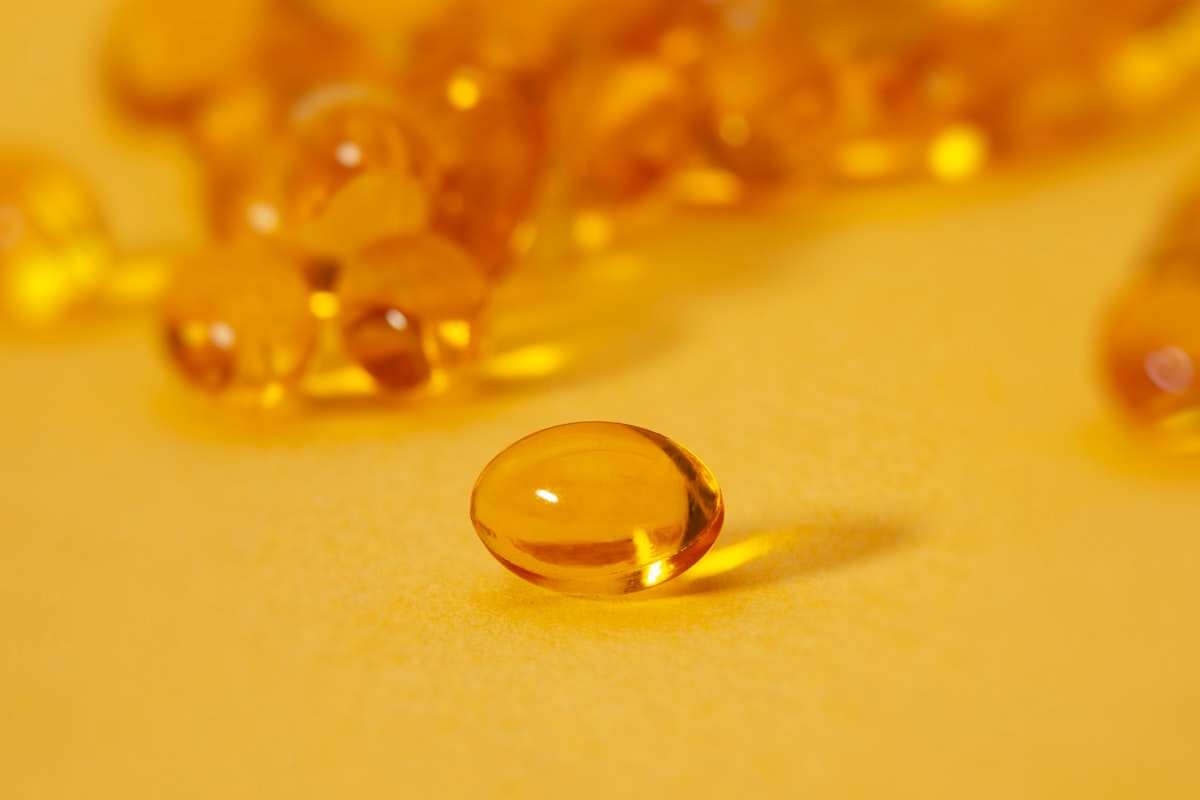
Salmon, mackerel, sardines, and herring deliver vitamin D and omega-3 fats, which reduce inflammation. Canned fish with edible bones supplies extra calcium.
- Salmon: 600–1000 IU vitamin D per 3 oz
- Canned sardines: 350 mg calcium (with bones)
- Mackerel: 400 IU vitamin D per 3 oz
- Oysters: 50–100 mg zinc per serving
Nuts & Seeds
Almonds, sesame seeds, pumpkin seeds, and sunflower seeds are concentrated sources of magnesium, phosphorus, and protein for bone and muscle health.
- Almonds: 80 mg magnesium per ounce
- Sesame seeds: 100 mg calcium per 2 tbsp
- Pumpkin seeds: 150 mg magnesium per 1/4 cup
- Tahini: 180 mg calcium per 2 tbsp

Legumes & Whole Grains
Lentils, chickpeas, beans, oats, and quinoa supply plant-based protein, magnesium, and minerals. They support overall skeletal health and muscle maintenance.
- Lentils: 7 mg iron per cooked cup
- Chickpeas: 80 mg magnesium per cooked cup
- Black beans: 60 mg magnesium per cooked cup
- Quinoa: 9 g protein per cooked cup
Eggs & Lean Meats
Eggs, poultry, beef, and pork furnish complete proteins with all amino acids, vitamin D in the yolk, and minerals like zinc and selenium needed for bone function.
- Eggs: 40 IU vitamin D, 6g protein per egg
- Chicken: High protein, 30g per 3 oz serving
- Lean beef: 200 mg phosphorus per 3 oz
- Turkey: 25g protein, B vitamins per serving
Building a Bone-Supporting Diet
A practical approach to integrating bone-supporting nutrients into your daily meals without overcomplication.
Include a Calcium Source at Each Meal
Breakfast: Greek yogurt with berries or fortified milk in your cereal. Lunch: Add cheese to a sandwich or leafy greens to a salad. Dinner: Serve fish with bok choy or include tofu in a stir-fry. Snacks: Almonds, cheese cubes, or a glass of milk bridge gaps between meals.
Eat Protein at Every Meal
Aim for 25–30 grams per meal (roughly a palm-sized portion of meat or two eggs, or 1 cup of Greek yogurt). This supports collagen formation and muscle maintenance. Vary sources: alternate between animal protein (fish, poultry, eggs) and plant-based (legumes, nuts, tofu) throughout the week.
Prioritize Vitamin D and Sunlight
Include fatty fish twice weekly, choose vitamin D-fortified milk and cereals, and aim for 15–30 minutes of midday sun several times per week (without sunscreen) when possible. Winter months may require more dietary attention or consultation about individual needs.
Fill Your Plate with Colorful Vegetables
Dark leafy greens, broccoli, peppers, and root vegetables provide magnesium, vitamin K, and minerals. Aim for at least two vegetables per lunch and dinner. The variety ensures a broad spectrum of micronutrients supporting bone remodeling and overall health.
Common Questions About Bone Health
Clear answers to frequently asked questions about nutrition and bone strength for aging men.
Men aged 51–70 require 1,000 mg of calcium daily; those 71 and older need 1,200 mg. This is equivalent to three servings of dairy or fortified alternatives (e.g., one 8 oz glass of milk = 300 mg, one cup of yogurt = 200–400 mg, one ounce of cheese = 150–200 mg). If meeting targets through food alone is difficult, discuss individual options with your healthcare provider.